Dandelion Flower Syrup
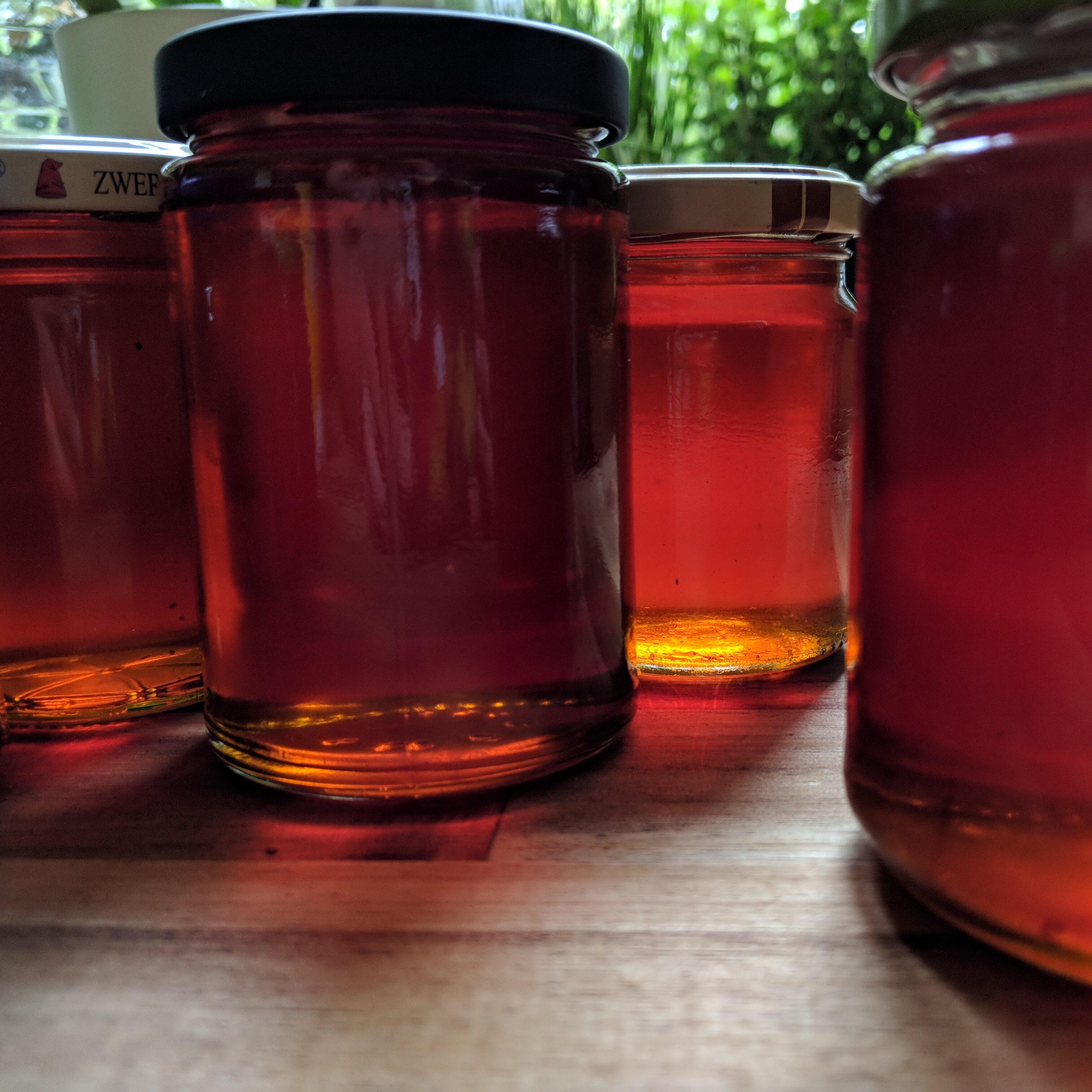
Looks like honey, tastes like honey, but doesn’t come from bees – and is therefore vegan: dandelion flower syrup!
In spring, dandelions grow almost everywhere in Berlin. So it makes perfect sense to make the syrup yourself. Collecting and cooking together is a wonderful experience for children – with a sweet reward at the end!
Connecting with nature instead of the supermarket shelf
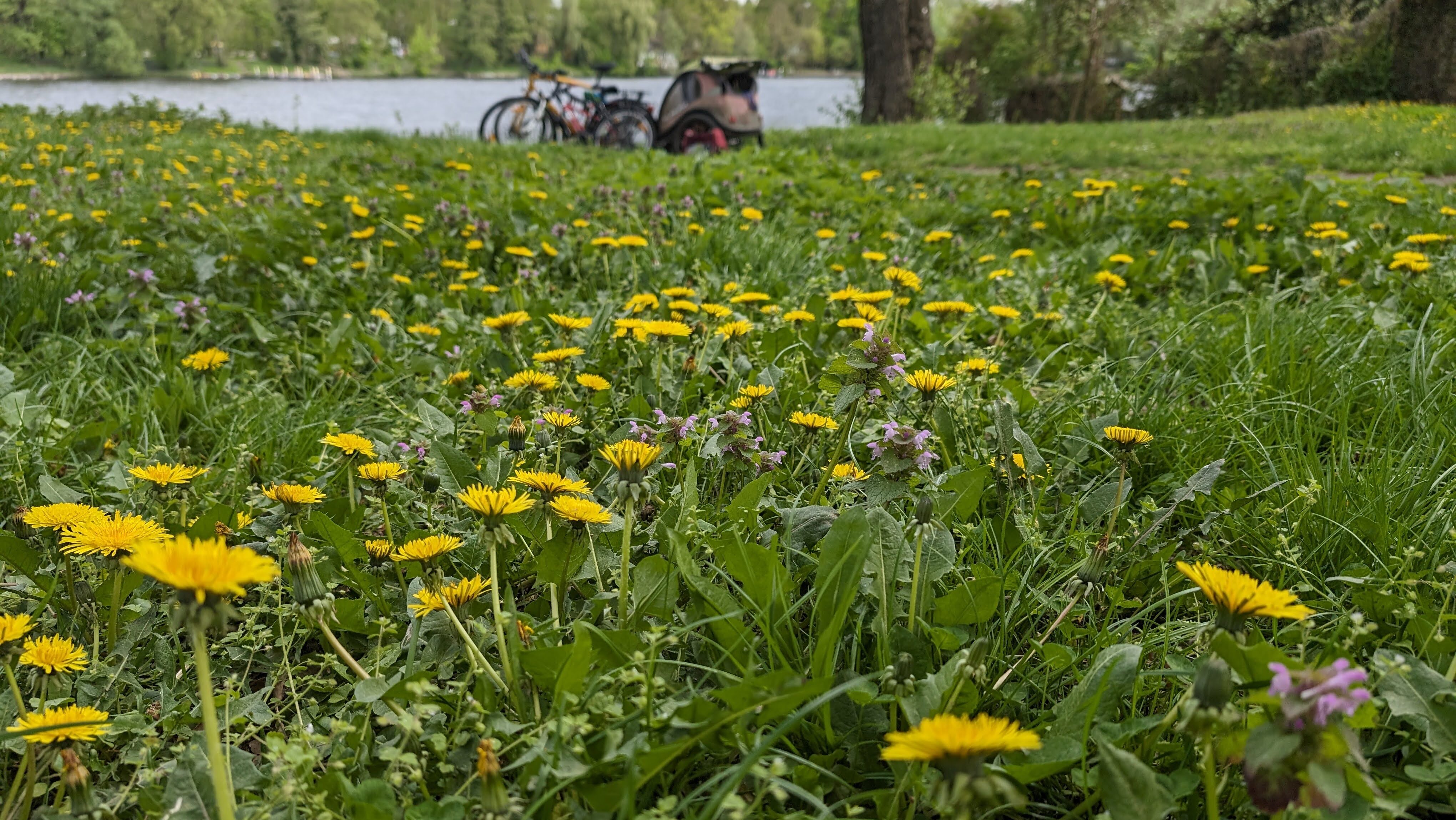
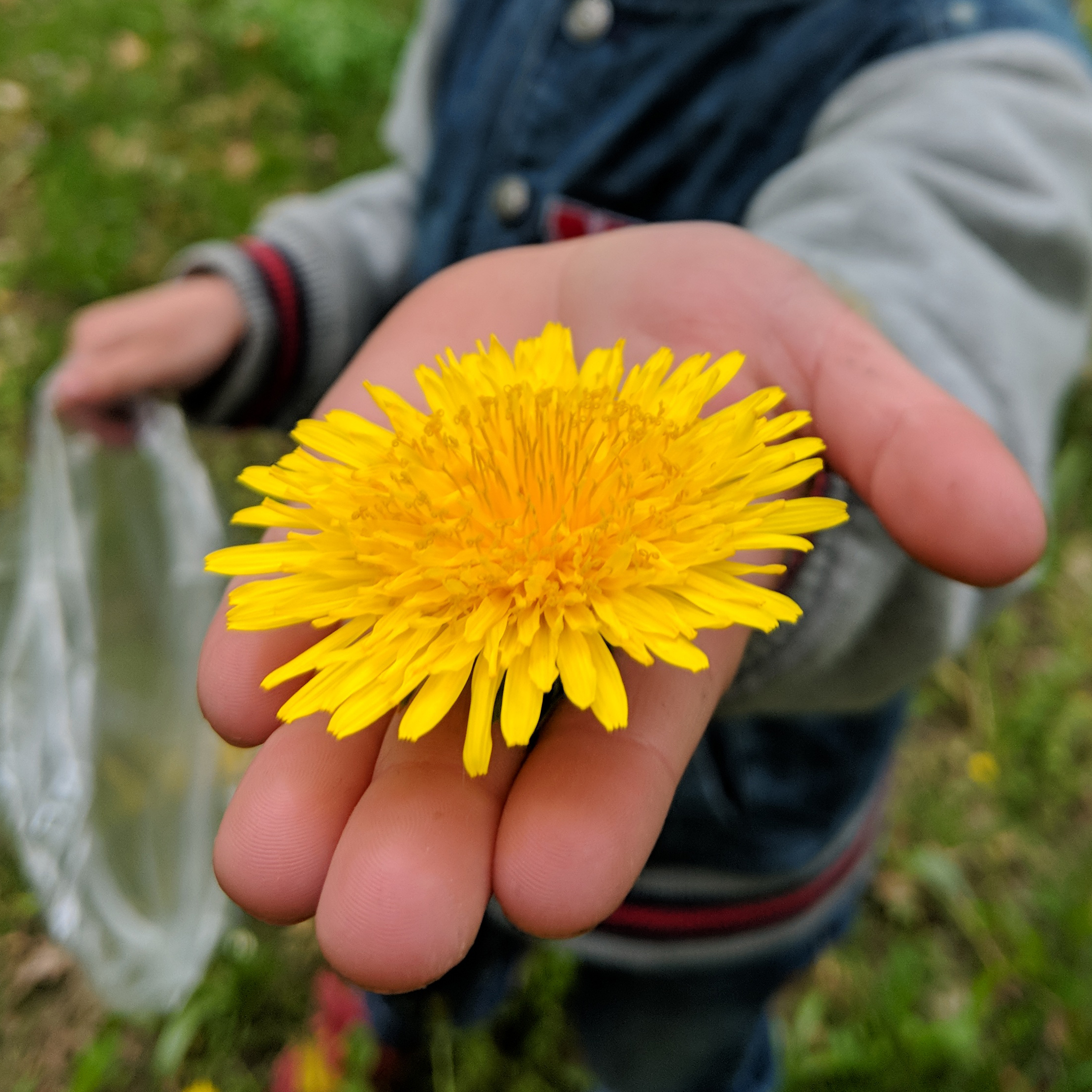
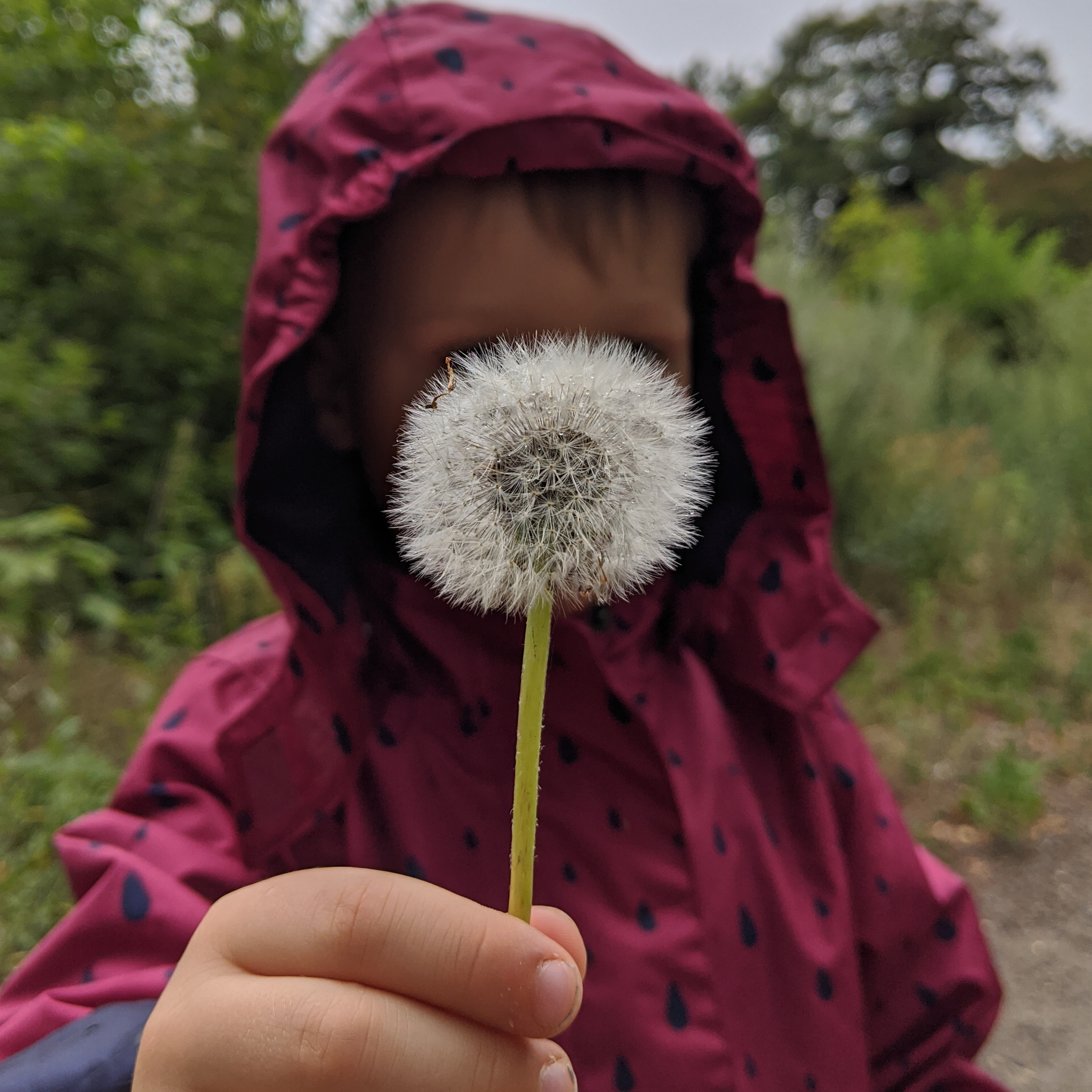
Once every spring, I go out with my children to collect dandelion flowers. We look for a remote meadow in the forest, away from roads and dog-walking routes.
Because the kids know what we’re going to make from the bright yellow flowers, they are as busy as bees and keep on collecting and collecting…
They don’t just end up with yellow fingers – they also learn mindfulness by carefully examining each individual flower. Sometimes insects live on the blossoms, and those flowers are left untouched. We also don’t clear the meadow completely, leaving plenty of food for bees and other insects.


Is this healthy?
Bee honey is often marketed as a healthy alternative to sugar. That is, of course, not true, because honey consists of about 80% sugar. In addition, commercially produced honey often contains pesticides or other contaminants.
Our syrup also consists of about 80% sugar. Whether there are pollutants in it depends largely on the choice of sugar we use – which we, after all, also buy somewhere.
Why we don’t exploit bees
Honey bees do not live in the wild but are kept as farm animals in industrial agriculture. Bees collect nectar and produce honey as a food source for their offspring. Stealing this honey and replacing it with sugar water is something I consider ethically questionable.
Instructions
What we need:
- A tall pot (syrup tends to boil up easily)
- A few handfuls of dandelion flowers
- Water – just enough to cover the flowers in the pot
- The same amount of sugar as water
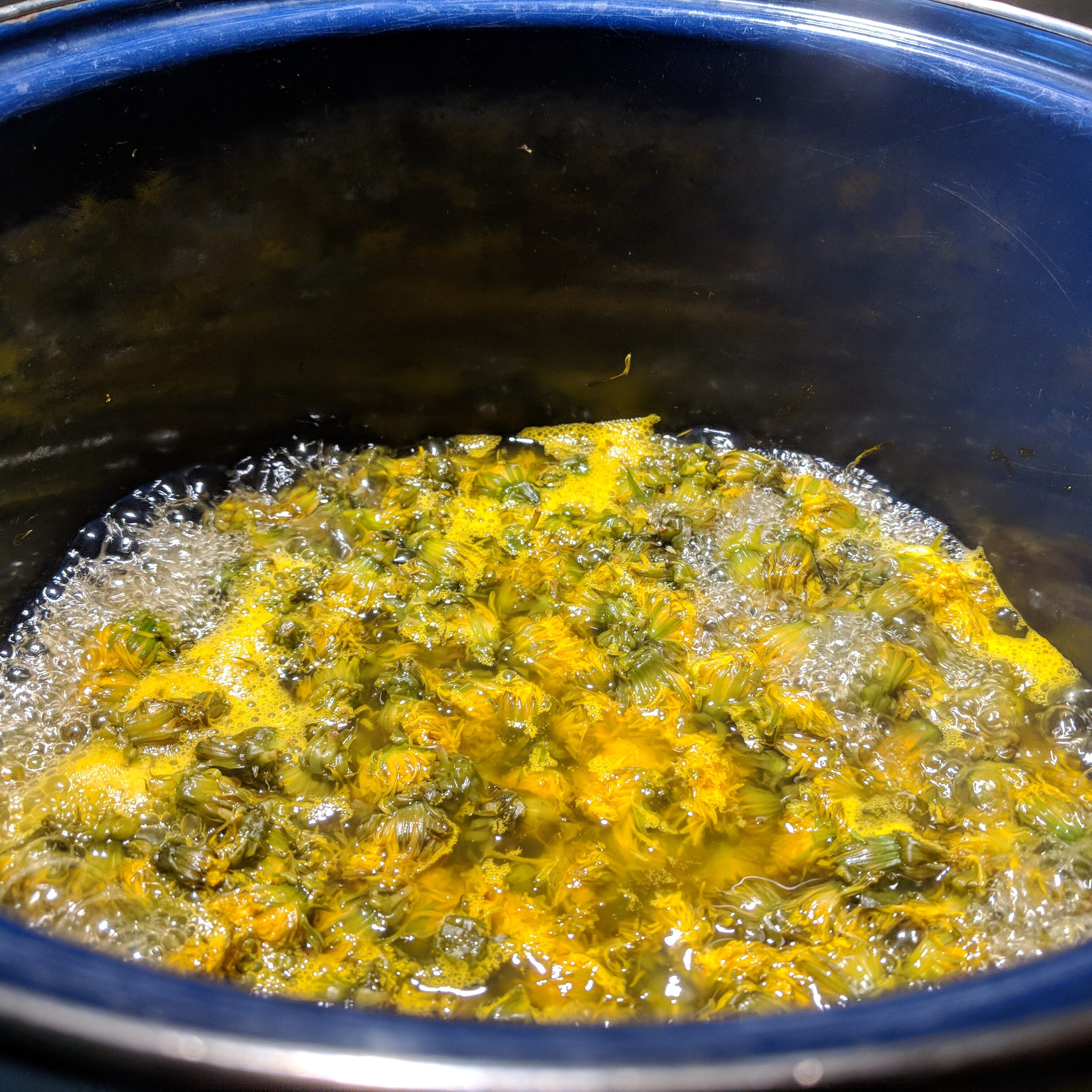
First, we separate the yellow petals from any remaining stems, as we only want to use the flower heads for our syrup. The flowers are washed with cold water, then placed in a pot and just covered with water. Bring to a boil and let simmer for 10 minutes.
To strain the liquid, use a fine sieve, a coffee filter, or a straining cloth.
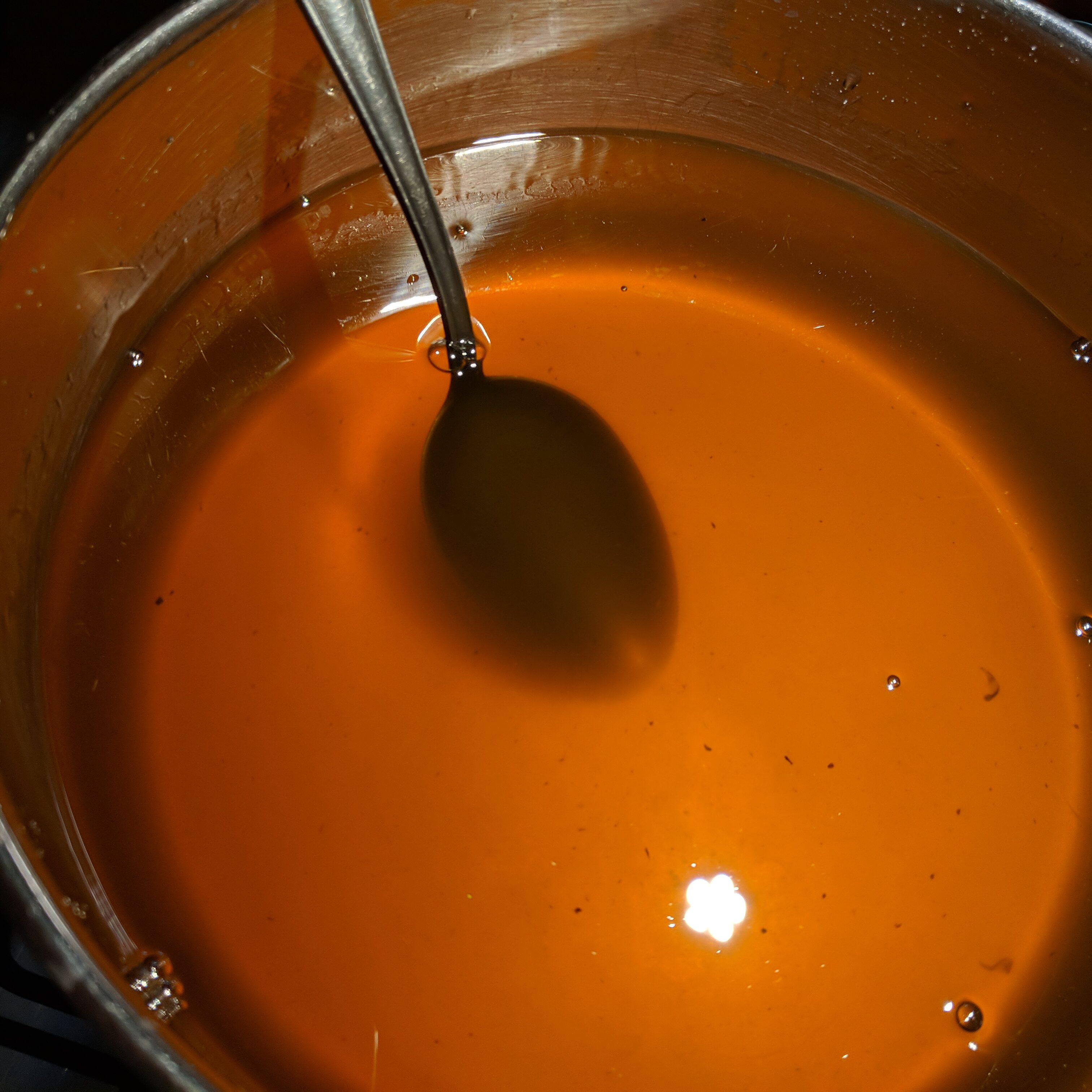
Bring the collected liquid back to a gentle boil together with the same amount of sugar. Be careful – syrup boils up easily and splashes are hot! I use raw cane sugar because it tastes best. Stir constantly until the sugar is completely dissolved, then let the syrup thicken over low heat for a while.
Keep in mind: when hot, the syrup is much more liquid than when cooled. To check whether it has reached the desired viscosity, drip a little onto a cold plate and let it spread.
Then pour the syrup into jars. Done.
Unopened, the syrup keeps for a very long time. Once opened, jars should be stored in the refrigerator and used up fairly soon.